Should I Showcase at MAX / APAP / PAC conferences?
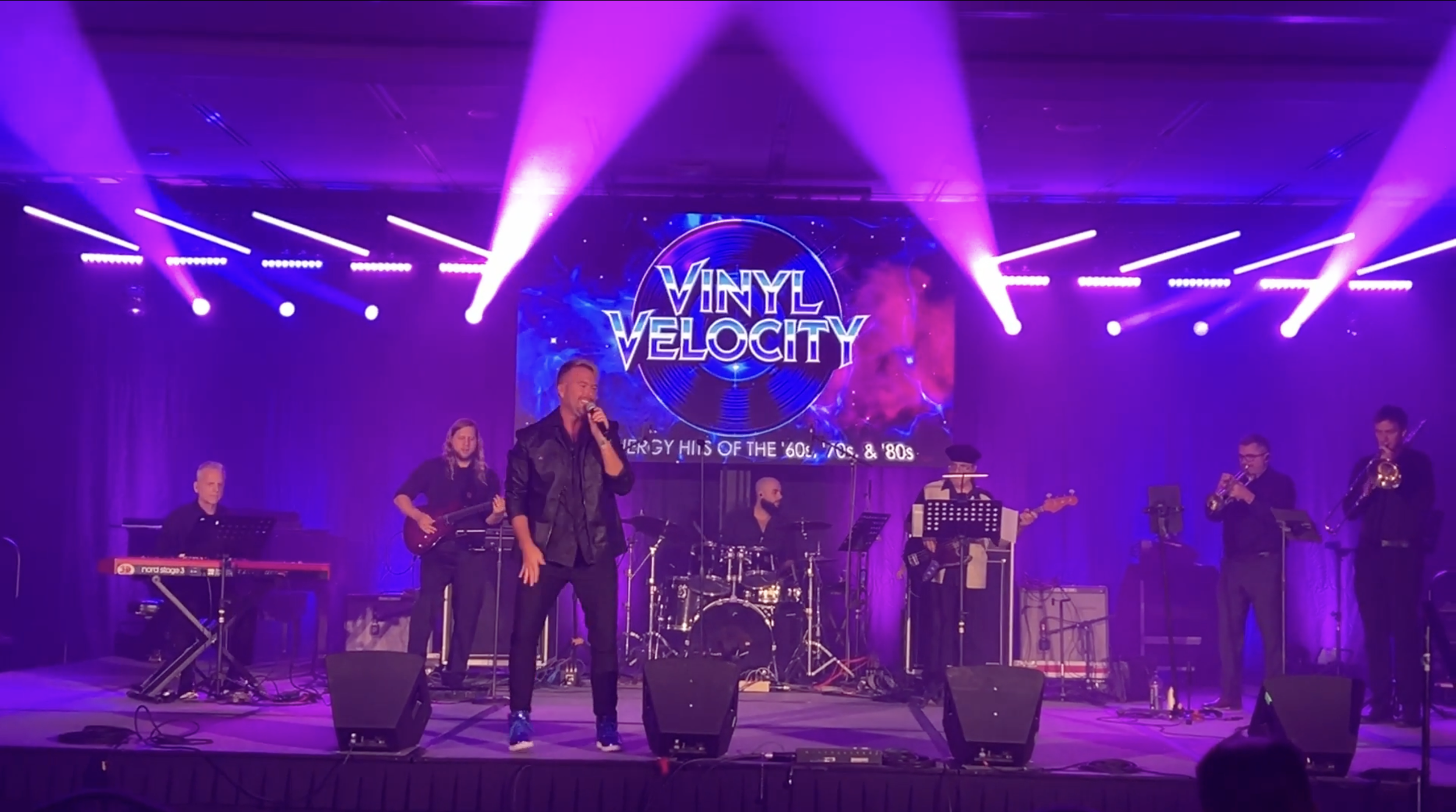
In a previous article, we talked about the difference between independent and juried showcases, as well as the costs of showcasing at these conferences.
In this article, we’ll now look at what the return may be from showcasing, and how to evaluate whether, and when, showcasing is right for you. We will attempt to answer the question…should I showcase?
Should I Showcase? Look at Your Marketability
The number one thing that will get you booked in the performing arts market is NOT how good your show is—as much as we all wish that were the case. It is this question, for a presenter/buyer: “Will this show sell to my audience?”
You may be the greatest pianist in the United States; or the greatest Broadway singer; but if your show does not sell tickets, or if a presenter doesn’t anticipate your show will be able to sell tickets, then in most cases, it won’t get booked.
This is one of the harshest truths to face as an artist and producer in this industry. And this is not an ‘opinion’—this is the simple reality that we hear every day from presenters. It is not uncommon to hear, “That artist is fabulous, but that won’t sell to my audience.”
It’s just hard to take an audience who loves country music and sell them a metal band. Or to take an audience that loves classical music and sell them a comedian. In order for a presenter (a theater buyer) to book a show, they have to be confident they can sell tickets to that specific artist. And that means they need to have an audience for that type of programming.
For example, a typical discussion between an agent and a buyer at a conference will go like this: “Tell me about your audience. What shows have you had the most success with?” And the buyer may respond, “We mostly book tributes…” or the buyer might say, “We have a classical series / jazz series that is very popular…” or they might say, “Our audience really appreciates dance / theater.” And that—not the strength of your show itself—is what will primarily drive booking interest.
It’s really impossible to overstate this point. Bookings are largely based on the marketability of your show, most of all. After all, to make the money to pay you, they need to sell tickets!
Now obviously, high artistry is also expected; a great concept, but poorly executed, won’t get booked either. But when presenters are choosing between 200+ great showcasing artists for their 6-show series, marketability wins out.
So, the most important consideration in showcasing is: are there presenters here who will want to book me, and will come and see what I do? Answering that question can be challenging, but that’s where having an agent with specific industry experience can help.
One final note, for those with particularly unique shows. This can be a blessing and a curse. For presenters to book you, they need to understand within LESS THAN 5 SECONDS of looking at your poster, WHAT you do. As their audiences are the same. If they can’t figure out what you do—or if their audience gets confused—it will not sell tickets, or get their attention.
Also, you might be reading this saying, but what about subscription series? Yes, subscription series do exist—and that takes the ticket pressure off the artist in that case. However, “hard ticket” sales are far more common—as the number of series that are fully subscription based have dwindled in recent years.
Should I Showcase? Look at Your Ticket History
This is a topic that is sometimes forgotten by artists. If you have not toured your show extensively already, you may not be ready yet to showcase at a national industry conference. (Though, a small regional conference may be perfect for you!)
Sometimes artists will reach out to us who have not done any ticketed shows in the United States yet. This is a very awkward position to be in. As you do not have any data on your show! How will a buyer be confident they can sell 300 tickets to your show, if your only touring experience of your show is selling 50 seats at a local dinner theater?
Acts might be inclined to say, “But I’ve toured in ______ show all across the country!” But it’s not about your personal experience; it’s about whether your show has had a ‘proof of concept.’ This is especially true with acts who have succeeded in cruise ships, for example—where they may have an absolutely incredible stage production, but it has never had to sell tickets. The audience was built in.
Bear in mind that the kinds of buyers who travel to these national conferences are buyers with at least hundreds of seats. Most buyers at arts conferences have at least 300 seats in their venues (though there are some smaller ones). At larger conferences, it is common to have 1,200 - 2,000+ seats in the venues represented.
So if you don’t have a history of selling tickets at least on a local / regional level, you may want to think carefully before you spend $5k+ showcasing at a national arts conference. (That’s where regional conferences may be a better fit for you.)
Should I Showcase? Look at the Market for Similar Shows
Here’s another area artists get tripped up on. Artists will say “I’m going to create ____ tribute band because it’s popular.” Well if someone else has already been showcasing a similar show for years, odds are, you won’t get many bookings.
We have seen this repeatedly with artists who offer a tribute where a different artist was already very established. It’s difficult to build a lot of enthusiasm around a new show that isn’t a new concept. The fact is, most programming committees / presenters want to change what they bring in, year after year. So if they did an ACDC tribute last year, and you have a great ACDC tribute, they probably aren’t booking yours.
Artists will push back and say “Well our show does ____ differently” or “I have _____ accolade / credit.” But that doesn’t really matter in these contexts. If you are a tribute to ABBA and they already booked another ABBA tribute recently, they’re not having you. You’re better off bringing a concept that they haven’t had before.
Should I Showcase? Look at Your Title
At MAX 2025 in Milwaukee, there were about 250+ showcases across just three nights. Imagine being a buyer who needs to decide what to see. How will you do that? By looking at the titles.
All of the showcases for conferences are put into an app, which allows presenters to look through and ‘favorite’ the ones they want to attend. This is mainly done off of the titles of the showcases. So, you want a title that is both very interesting (and catches their attention), but also is very descriptive—as confusion loses interest. If they don’t know what your showcase is, they aren’t going to star it…and they won’t be in your room.
Of course, there are other ways to promote a showcase too. Agents all email presenters in advance of the conference to invite them to showcases. But since presenters receive hundreds of emails leading up conferences (often hundreds per day), they get overwhelmed and sometimes tune this out.
Thus, nothing really makes up for the power of having a good showcase title that attracts them that day.
Also, all artists also have large popup banners at conferences, which are out in the hallways. These serve to show presenters what showcases are coming up. Many presenters will browse the hallways throughout the conference to “scope out” what showcases they may want to attend. Your visual marketing materials—especially your primary photo, and your show’s title—are the most important factor to getting someone in your room.
Also, most showcase producers will curate a lineup in their room, meaning that if you wish to showcase, you want to choose a showcase room producer who fits what you do. If you are a classical pianist, you want to be in a room where people expect to watch classical piano—not in a room where people expect to watch standup comedy. Likewise, a 10-piece tribute band needs a room with big production capability where audiences expect to see big bands, not a small room of $5k-$6k fee acts.
Patience, Willingness to Spend Money, and a Long Term Horizon
Now we get to the most difficult and important part of this discussion. At the end of the day, showcasing will provide a large return for some artists…and little to no return for others.
This is something not often explicitly stated about performing arts showcases, yet it needs to be said. As it is an economic reality of the entertainment business.
Just look at content creation as an example. For every major TikTok star or YouTube star who gets a $1 million brand deal after creating post after post after post…there are thousands of other creators who also posted diligently, year after year, but never got that commercial return.
For every artist who spends $5k to showcase and gets $50,000 in bookings, there are many artists spending $3k-$7k and not seeing that result.
You can also look at it like films. For every movie (or streaming show) that is released and popular, there are many, many more that don’t get the same attention or success.
And the same is true in showcasing.
Why a Buyer Doesn’t Book a Show
There are many different reasons a buyer may not book a show.
The most common one is that buyers have so many options to choose from, and limited spots on a season. Many presenters will watch dozens of showcases at a conference, but will only book 6-8 shows for their season. And some of those spots will come from outside the conference (other artists they know, other conferences they attend, etc.). Plus, presenters meet with agents representing thousands of shows that aren’t showcasing, and many of their bookings will come from these meetings.
Another reason is that the presenter may enjoy the artist, but not have the appropriate audience, or may not feel the artist will sell enough tickets, as we’ve already said.
A third reason is the presenter may love the artist, but feel their EPK or marketing materials are not sufficient quality. A showcase won’t produce if the artist’s EPK isn’t professional grade, as this drives the promotion efforts.
A fourth reason is the presenter may just want to have that artist a few years down the road (we’ve had presenters say “I’d like to talk to you about that artist for _____ season” (two or three years away).
Finally, artistic quality is also a reason a buyer may not book a show. But given the generally high standard of artists at these national conferences, often it’s one of the earlier reasons that drives a “no” or a non-response (non-response is much more common than no, in booking).
So What Should I Do?
Only you can make the decision on whether showcasing is right for you. You need to look at your ticket history, your show’s marketability, your level of artistry relative to other national touring shows, and your financial circumstances, in making a decision to showcase.
Most experienced industry professionals will tell you that you also need to showcase long-term. The acts that are booked regularly in the market often showcase repeatedly, year after year. That helps drive word of mouth among presenters.
Of course, some acts get work without showcasing too!
This is also why we encourage many artists, especially newer artists, to have a separate, stable source of income, separate from touring…so that you have the financial resources to invest in your career.
With some showcases that haven’t had the return we’ve wanted, we’ve asked why, and adjusted that, and seen more return the next year. You can re-tool the concept, adjust the configuration, or try something altogether different. Again—this is entertainment, you have to try things, keep creating, keep testing.
And sometimes, if you have a very marketable concept, it’s worth it to showcase just because so many other people are going to anyway (so many others are willing to spend the money to be seen, even if you don’t). So if you truly want to become the top-booked band in ____ tribute space or the top act in _____ classical/jazz/dance space, you need to showcase, even if the return is very low early on.
But nothing above all will replace the value of testing the concept first. Getting your show booked before you showcase. Having the appropriate concept—marketable, unique, and exciting—has made more difference than anything else, in our experience.
Side note: What about your agent’s relationships? Agent’s relationships with presenters can absolutely help drive people to your showcase room. But, that’s a secondary factor, after the above things about your show concept are considered. The show concept is always what matters the most. As even if a buyer loves your showcase, they have to sell you to their board, and then their organization still has to sell you to their patrons.
Want More Help?
Navigating the economic complexities of the touring industry is hard. Marcato Artists is proud to be the first PAC agency dedicated not only to representing our own roster but also to coaching off-roster artists. If you are interested in further support, reach out to us for a chat.
Human Authorship Disclosure: This post was written entirely by a human with many years of experience in these performing arts conferences. This post was not written by or using AI—it is based on real experience and industry-specific data.
