What Is Mission-Based Programming?
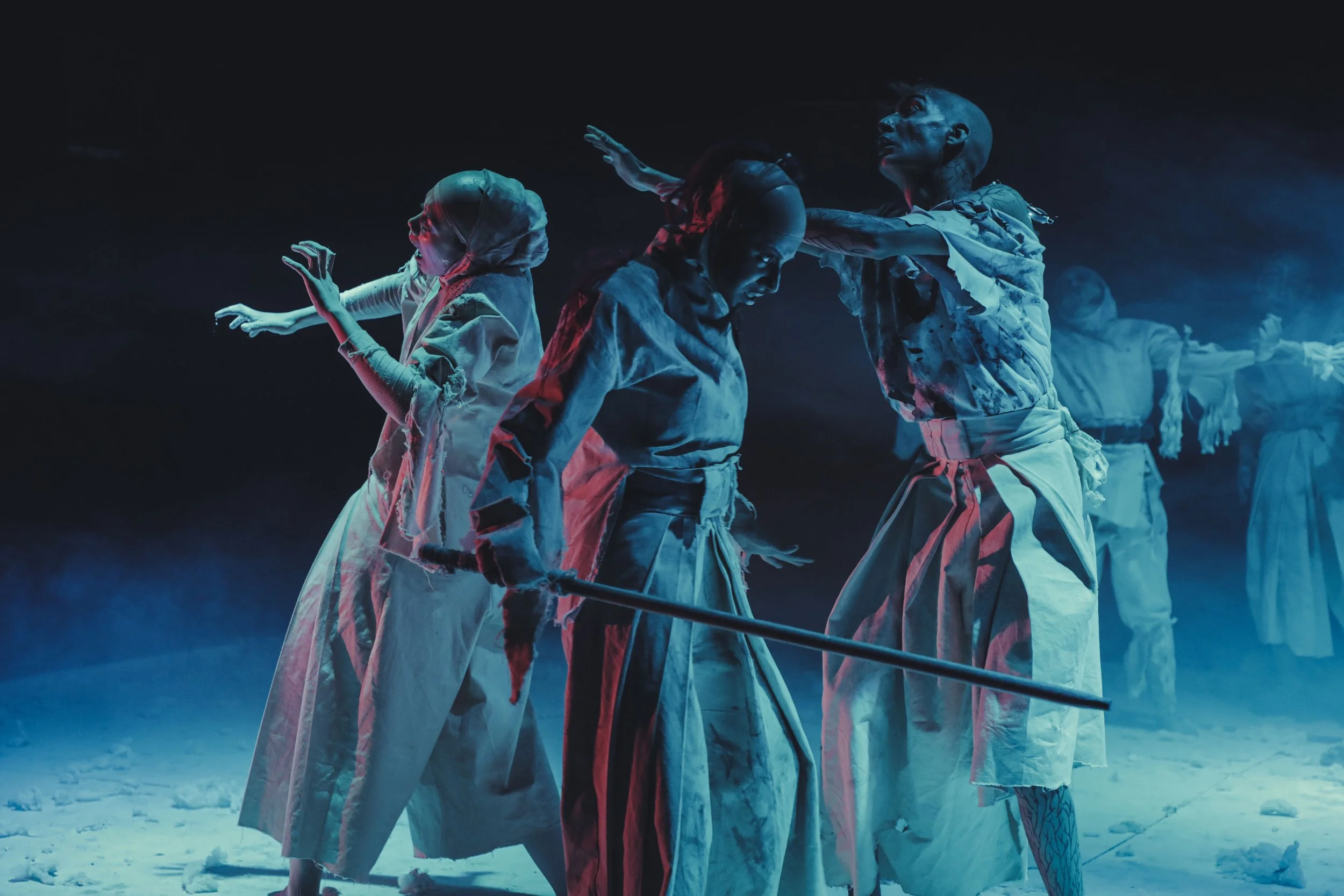
An example of a multi-disciplinary theater work. PC Matin Ziya from Pexels
If you've been around performing arts conferences for any length of time, you've probably heard presenters talking about mission-based programming.
It's one of those phrases that gets thrown around a lot, but nobody ever seems to stop and explain what it actually means.
So let's do that.
Mission-based programming is programming that is presented due to an organization’s values and mission, as opposed to solely for profit. It’s one of the principal differences between the performing arts market and the entertainment industry in general.
Mission based programming often includes themes of identity, race, culture, history, and so forth. It’s the kind of art that doesn’t just entertain, but leads audiences to ask questions, leads to dialogue, introspection, and bringing a community together.
To better illustrate mission based programming, let’s look at the 2026 APAP Up Next artists, many of which fall into a “mission based programming” category. Looking through the selected projects, some very clear patterns emerge.
Take the Mexican dance company presenting Native Mexico. Yes, it's a dance performance. But it's also an educational program celebrating the living traditions of the Mexika, Zapotec, Purépecha, and Totonac peoples. The show was specifically designed for schools, museums, and smaller venues, making it easy for presenters to connect it with educational outreach.
Or look at the puppet theater production inspired by the Comcáac people of northern Mexico. On the surface, it's a visually beautiful puppet show. Underneath, it's exploring climate change impacts, displacement, and Indigenous communities.
There's a mariachi production that doesn't just perform mariachi music. It explains where mariachi came from, explores its international influences, uses bilingual supertitles, and welcomes audiences who may have never experienced the genre before.
There's an outdoor spectacle where the audience literally helps power giant musical sculptures, turning a performance into a community event instead of something people simply watch. Mission based art is often participatory for the audience.
There's a physical theater piece about what "home" means. A circus production exploring freedom through the history of African Americans. An Indian classical dance work using the Mahabharata to talk about environmental collapse, war, and family separation. A concert built around Gullah culture and oral history. A Canadian Indigenous folk duo sharing stories from their own lives. (Some of these are also from the 2025 Up Next artists).
What do these all have in common? They are more than just concerts. Instead, they have story—culture—and conversation woven in.
One important note—mission based programming doesn’t mean the program isn’t highlly entertaining, or high selling! Some mission based programs are also very commercially successful. But the key is that mission based programming must be more than just art or entertainment—it has a specific cultural / societal impact that ties into a performing arts presenter’s mission.
So what do you do if you want to start mission based programming for your show? It doesn’t always mean creating a new show altogether.
If you're a Celtic ensemble, maybe there's a story about immigration or folk music that naturally fits your repertoire. If you're highlighting a regional folk or world music tradition, that's cultural preservation. If your music comes from an underrepresented culture, perhaps you've never thought about explaining its history to audiences.
Mission based programming truly can range across a number of types of shows—from a one-woman show telling the story of Harriet Tubman or a one-man show telling the story of Abraham Lincoln, to a large dance company with a message, like the previous examples. Most of all, it’s about having a message and meaning in your show, and having it be more than a concert.
Want More Help?
Navigating the modern touring industry is hard. Marcato Artists is proud to be the first PAC agency dedicated not only to representing our own roster but also to supporting off-roster artists. If you are interested in further support, reach out to us.
